AM Leonard
- February 10, 2025
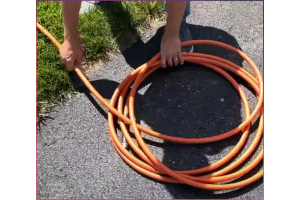
It may seem simple, but the technique for properly coiling hoses can save you time and frustration when done correctly. Check out this short video explaining how to coil hoses to avoid kinks and make storage much easier.
- November 13, 2024
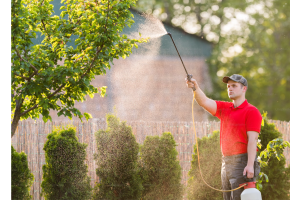
Integrated Pest Management (IPM) is a strategic approach to managing pests that emphasizes prevention, careful monitoring, and targeted interventions. Core principles of IPM include regularly scouting for pests, correctly identifying them, understanding their life cycle and why they are present, and implementing preventative measures to minimize future issues. When treatment is necessary, it involves developing an informed plan for eradication, using chemicals only when justified, and always adhering to the manufacturer's label guidelines.
- November 13, 2024
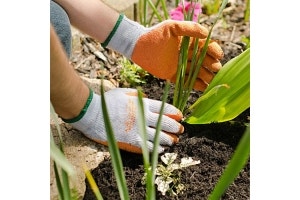
Choosing the right coated work gloves is essential for optimal performance and protection on the job. A.M. Leonard offers a variety of high-quality options from brands like Atlas, Mud, Kinco, and Maxiflex, tailored to specific tasks and needs. Nitrile gloves provide durability, oil resistance, and superior puncture protection, making them ideal for demanding tasks. Latex gloves offer excellent elasticity, tear resistance, and cold-weather flexibility but may cause allergies and perform poorly with solvents. Polyurethane (PU) gloves deliver lightweight breathability, exceptional dexterity, and grip, making them perfect for precision work and warm conditions. A comprehensive comparison in the Coated Gloves Buying Guide helps ensure you select the best gloves for your specific requirements.
- November 13, 2024
Navigate A.M. Leonard’s stock of pre-emergent, post-emergent and specialty weed control products. Learn more about active ingredients, uses, forms, and more. Find the perfect product to prevent, control, and eliminate troublesome weeds from your property.
- November 13, 2024
Fungi and plant diseases threaten various sectors of the horticultural industry, impacting nurseries, greenhouses, homeowners, landscapers, and professionals alike by causing significant losses in time, labor, and money. To address these challenges, A.M. Leonard offers a comprehensive guide for managing plant diseases and fungi, including a matrix linking specific diseases to effective treatments, along with details on active ingredients and application methods. Following strong Integrated Pest Management (IPM) practices—such as regular scouting, pest identification, understanding life cycles, and developing treatment plans—is crucial. The guide also includes regional treatment recommendations and advises consulting local extension services for tailored advice.
- November 13, 2024
Are you wearing yourself out by hauling around and constantly pumping a handheld? Need a sprayer that works great for light use, but doesn't break the bank? Or could it be time to replace the old, cracked and leaky sprayer from years ago? Though sprayers can look very similar, they work differently; having different benefits. Below is a guide to help you choose the right sprayer for you; saving you time and money!
- November 13, 2024
Having a spreader that fits the needs of your business is invaluable. With hundreds of options in the market place, it’s important to know what type of spreader is best for you. AM Leonard’s Fertilizer Spreaders Buying Guide has your answers!
- November 13, 2024
Pond maintenance goes beyond surface appearance, as the health of your pond depends on what’s happening below. Organic matter like algae, leaves, and fish waste accumulates at the bottom, decomposing into a nutrient-rich muck that fuels algae growth, aquatic weeds, and even leeches. Left unmanaged, this muck layer can lead to significant surface problems and ecological imbalances. Our guide helps you identify common algae and submerged weeds, choose effective solutions, and apply treatments correctly. Additionally, we provide a simple 4-step program to eliminate muck, control aquatic nuisances, and keep your pond clear and thriving.
- November 13, 2024
Japanese beetles are a pest to hundreds of different species of plants, doing damage to both turf and foliage. Grubs live in the soil and feed on the roots of grass and other plants. When adult Japanese beetles begin to emerge, they feed on the leaves and flowers of trees and shrubs, causing considerable damage. It's important to know the lifecycle of Japanese beetles, as the wrong product at the wrong time can be a waste of money and effort.
- November 13, 2024
Effective water management in your yard and garden not only conserves a valuable resource but also promotes healthy plants and landscapes. Overwatering is a common mistake, so water only when necessary and at optimal times, like early morning, to reduce evaporation and disease risk. Use efficient irrigation methods, such as drip systems or soaker hoses, and position sprinklers carefully to avoid waste. Incorporate mulch, native plants, and xeriscaping to retain moisture and reduce water needs. Reuse water when possible, monitor for leaks, and adjust lawn care practices, like aeration and mowing height, to improve water absorption. With these tips, you can save water, time, and money while maintaining a thriving outdoor space.