Here are 37 water conservation tips and strategies to help you save water in your yard, lawn, or garden. Whether you're a homeowner looking for simple changes or a landscape professional managing large-scale irrigation, there's something here for every situation. We've updated this guide with the latest practices in irrigation technology, soil science, and plant selection.
1. Timing, Technique & Frequency
When and how you water often matters more than how much.
-
1
Water early in the morning. The period between 5 a.m. and 9 a.m. offers the best combination of low temperature, low wind speed, and high humidity. Evaporative losses during early-morning irrigation are typically 30–50% lower than midday watering. Avoid watering in the evening — foliage that stays wet overnight creates the prolonged leaf wetness that fungal diseases like powdery mildew and botrytis need to take hold.
-
2
More plants die from over-watering than from under-watering. Water only when plants actually need it. The instinct to water on a fixed schedule regardless of conditions is one of the most common — and costly — mistakes in landscape management.
-
3
Water deeply but infrequently. A single deep watering that wets the soil to 8–12 inches encourages roots to grow downward, producing plants far more drought-tolerant than those kept barely moist by daily shallow applications. For most lawns, this means one to two thorough irrigations per week rather than daily light sprinkling.
-
4
Learn to read your lawn before you water. Walk across your lawn — if your footprints remain visible for more than a minute, the grass blades lack the moisture to spring back and water is needed. If footprints disappear quickly, irrigation can wait. This simple test prevents the chronic over-watering that is the single most common cause of plant death in managed landscapes.
-
5
Split long watering cycles into short pulses. Dense or compacted soils absorb water far more slowly than sprinklers apply it, causing runoff. Instead of one 20-minute cycle, run three 7-minute cycles with 30-minute gaps between them. This "cycle and soak" approach allows each pulse to infiltrate fully before the next begins, cutting runoff by up to 50% on problem sites.
-
6
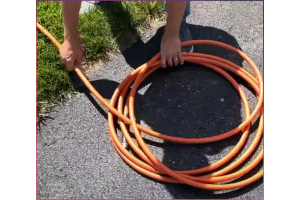
Hand-water with a hose where possible. Homeowners who irrigate with a handheld hose use roughly one-third less water outdoors than those relying on automatic sprinklers. Outfit your hose with a shut-off nozzle so water flows only when directed. Check out our selection of commercial-grade hoses.
-
7
Never irrigate in high wind. Wind speeds above 10 mph cause drift losses of 10–20% or more from overhead sprinkler systems. When wind is in the forecast, postpone irrigation or switch to low-pressure drip delivery. Use a water timer on hose-end sprinklers to keep things in check.
-
8
When the kids want to cool off, use the sprinkler where your lawn needs it most. Turn necessary irrigation into double duty. It's a win for the lawn and for summer fun.
2. Irrigation Systems & Technology
The right delivery system can cut water use by 30–70% compared to conventional sprinklers.
-
9
Install drip or micro-irrigation in plant beds. Drip emitters and micro-spray heads deliver water directly to the root zone at a rate the soil can absorb, bypassing foliage entirely. Well-designed drip systems use 30–50% less water than conventional overhead sprinklers. See our full selection of drip irrigation supplies.
-
10
Use smart (weather-based) irrigation controllers. Smart controllers adjust run times automatically based on real-time weather data, plant type, soil type, and slope. The EPA's WaterSense program has found that smart controllers can save an average household around 8,800 gallons per year. Look for models with soil moisture sensor integration for maximum precision.
-
11
Use sprinklers that throw large drops close to the ground. Rotary nozzles and high-efficiency rotors significantly outperform misting heads in windy or warm conditions. Smaller drops and mist can drift onto non-target areas or evaporate before they hit the ground. Position all sprinkler heads so they irrigate plants — not driveways, sidewalks, or hardscape.
-
12
Conduct an irrigation audit every spring. Broken risers, misaligned heads, and worn valve diaphragms can waste thousands of gallons per month with no visible surface sign. Run each zone individually, check for uniform coverage with catch cans, and inspect all heads and valve boxes for leaks or malfunction. Remember to check your timing devices regularly to be sure they operate properly.
-
13
Group plants with similar water needs on the same irrigation zone (hydrozoning). Grouping plants by sun exposure, soil type, and drought tolerance into dedicated zones allows run times to be matched precisely to actual plant need. Redesigning a legacy system into properly defined hydrozones can reduce total irrigation volume by 20–40% without any change in plant health or appearance.
-
14
Use hose washers on all connections and keep an eye on your hoses. Your garden hose can pour out 600 gallons or more in just a few hours, so never leave the sprinkler running unattended. Use a kitchen timer to remind yourself to turn off the water. The SO58 Leonard Brass Shut Off Valve is the one attachment that should be on every hose.
-
15
Know how to shut off your automatic system quickly. Learn how to put your system into manual override and know where your master shut-off valve is. A stuck valve solenoid or controller malfunction can release thousands of gallons if it goes unaddressed. When heavy rain is in the forecast, switch to rain-hold mode.
Irrigation Method Efficiency Comparison
Approximate water-use efficiency relative to conventional fixed-spray sprinklers (baseline = 100%).
| Irrigation Method | Water Efficiency | Best Application | Typical Cost |
|---|---|---|---|
| Fixed spray sprinklers (baseline) | 50–70% | Turf areas | Low |
| High-efficiency rotary nozzles | 75–85% | Turf, groundcovers | Low–Medium |
| Handheld hose with shut-off valve | 80–90% | Small beds, containers | Very Low |
| Soaker hose | 85–90% | Row crops, hedges | Low |
| Drip emitter systems | 90–95% | Shrubs, trees, vegetables | Medium |
| Sub-surface drip irrigation (SDI) | 95–98% | Turf, crop production | High |
| Rainwater + drip irrigation | >99% (net) | Ornamentals, vegetables | Medium–High |
3. Soil Health, Mulch & Organic Matter
Healthy soil is the foundation of any water-efficient landscape — every improvement here pays compound dividends.
-
16
Use mulch to retain moisture in the soil. A 3–4 inch layer of shredded wood mulch, pine needles, or compost reduces soil surface evaporation by up to 70%, moderates soil temperature, suppresses weed competition, and gradually improves soil structure as it breaks down. Keep mulch pulled 2–3 inches away from plant crowns and tree trunks to avoid collar rot. We carry a variety of composting products to help you get started.
-
17
Build organic matter in your soil. Sandy soils drain too quickly; clay soils stay waterlogged. Both problems are addressed by consistently adding compost, aged manure, or cover crop residue. Each 1% increase in soil organic matter increases the soil's water-holding capacity by approximately 20,000 gallons per acre — meaning better drought tolerance and less need for supplemental irrigation. Start a compost pile instead of running your garbage disposal, which requires a lot of water to operate.
-
18
Aerate your lawn annually. Compacted soil repels water, causing runoff from areas that appear to be receiving adequate irrigation. Core aeration — removing 2–3 inch plugs of soil every 4–6 inches — dramatically improves infiltration rates and root depth. Check out our selection of aerators.
-
19
Adjust your mower to cut grass at 3 inches or more. Taller grass encourages deeper roots, shades the soil to reduce moisture loss, and significantly reduces irrigation need. Research consistently shows that raising the mowing height by just one inch can reduce irrigation requirements by 15–25%.
-
20
Apply only the minimum amount of fertilizer needed. While fertilizers promote plant growth, they also increase water consumption. Test your soil before fertilizing, apply the minimum rate needed, and prefer slow-release formulations that provide sustained nutrition rather than growth flushes.
-
21
Stay on top of weeding. Every weed in a planted bed is consuming water from the same soil reservoir as your desired plants. A mature broadleaf weed can transpire 200–400 mL of water per day. Regular weeding, pre-emergent herbicides, and deep mulch layers are the most water-efficient approach to weed management.
4. Plant Selection & Landscape Design
The most sustainable water savings are built in at the design stage — before a plant goes in the ground.
-
22
Plant smart with xeriscape principles. Xeriscape landscaping is a great way to design, install, and maintain both your plants and irrigation system. It minimizes irrigation need through thoughtful plant selection, soil improvement, efficient irrigation, and mulching. A well-executed xeriscape can reduce landscape water consumption by 50–75%.
-
23
Plant native and drought-tolerant species. Native plants co-evolved with local precipitation patterns and soil types. Once established — typically over one to two growing seasons — most natives require little to no supplemental irrigation except during extreme drought. Contact your state's cooperative extension service for curated native plant lists by region.
-
24
Choose shrubs and groundcovers instead of turf for hard-to-water areas. Steep slopes, narrow strips, and areas under dense tree canopy are notoriously difficult to irrigate efficiently. Replace them with drought-tolerant groundcovers, decorative gravel, or permeable pavers, which also reduces runoff.
-
25
Prefer perennials over annuals in high-water zones. Annual flowers like petunias and impatiens require more water than most perennials. Where water efficiency matters, use annuals selectively in containers or small accent beds where targeted hand-watering is practical.
-
26
Plant in the fall when conditions are cooler and rainfall is more plentiful. Fall-planted trees require 30–40% less supplemental irrigation during their first 12 months compared to spring-planted equivalents, thanks to cooler temperatures and higher natural precipitation during the establishment phase.
5. Rainwater Capture & Water Reuse
The best irrigation water is free — if you collect it before it runs away.
-
27
Install a rain barrel at your downspout. A rain barrel can capture just over half a gallon of water for every square foot of roof during a one-inch rainfall — meaning a 90-square-foot roof can completely fill a standard 55-gallon barrel. Stored water is soft, unchlorinated, and at ambient temperature, making it ideal for container plants and vegetable gardens.
-
28
Never put water down the drain when there may be another use for it. Collect the water you use for rinsing fruits and vegetables and reuse it to water houseplants. When cleaning out fish tanks, give the nutrient-rich water to your ornamental plants. Collect shower "warm-up" water in a bucket for plant watering.
-
29
Use water from dehumidifiers and air conditioners. Central AC units produce 5–20 gallons of condensate daily during peak cooling season — distilled water typically discharged to the drain. Redirect this to a collection barrel for container plants, potted herbs, and indoor plants.
-
30
Wash your car and pets on the lawn. This way you water your lawn at the same time — a simple habit that turns an otherwise wasted water event into productive irrigation.
6. Leak Detection & System Maintenance
Invisible leaks are often the single largest source of water waste in any irrigation system.
-
31
Verify that your home is leak-free. Read your water meter before and after a two-hour period when no water is being used — if the readings don't match, there is a leak. Homes can have hidden water leaks outside that go undetected for entire seasons.
-
32
Replace hose washers and fittings annually. Rubber hose washers are the first component to fail in any irrigation connection, yet they cost pennies. Inspect all hose-to-faucet and hose-to-attachment connections at the start of each season and replace any showing cracking or deformation.
-
33
Check your sprinkler system valves and heads regularly. Adjust head arc settings so patterns end before any impervious surface — head repositioning alone can reduce irrigation volume by 10–15% on mature sites.
-
34
Winterize your system properly each fall. Any water remaining in lateral lines, heads, or backflow preventers when temperatures drop below 32°F risks cracking PVC, splitting copper fittings, and destroying valve bodies. Blow out all irrigation zones with compressed air before the first hard freeze.
7. Advanced & Emerging Practices
Strategies from current horticultural research that are rapidly moving into mainstream practice.
-
35
Use evapotranspiration (ET) data for irrigation scheduling. ET data from regional weather networks is now freely available and integrated into most smart controllers. Scheduling based on ET rather than fixed time clocks can cut commercial irrigation use by 15–40% with no compromise in plant quality.
-
36
Install soil moisture sensors. Soil moisture sensors detect the amount of moisture in the ground and override scheduled irrigation when plants don't need water. Installing a WaterSense-labeled sensor can save an average home with an automatic irrigation system more than 15,000 gallons annually — with an estimated ROI of 200% within the first year.
-
37
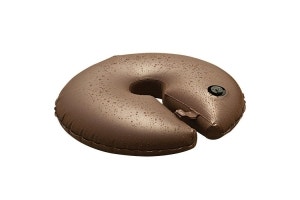
Use tree watering bags for newly planted trees. The first 1–3 years after installation are when trees are most vulnerable to moisture stress. Slow-release tree watering bags deliver 15–20 gallons directly to the root ball over several hours, eliminating runoff and ensuring deep penetration that brief hand-watering cannot achieve.
Seasonal Checklist
- Early Spring: Conduct full irrigation audit; inspect all heads, valves, and backflow preventers; clean and adjust drip emitters; calibrate smart controller with current ET data.
- Late Spring: Apply fresh mulch to all beds before summer heat; aerate compacted turf; install or inspect rain barrels; adjust mowing height upward.
- Summer: Monitor soil moisture weekly; verify smart controller weather integration; inspect for leaks monthly; hand-water establishment plantings as needed.
- Early Fall: Dethatch if needed; overseed bare turf areas; install fall plantings to minimize establishment irrigation need; reduce controller run times as temperatures drop.
- Late Fall: Winterize all irrigation zones; drain and store hoses; inspect and replace worn hose washers and fittings; plan hydrozone improvements for the following season.
Every Drop Counts
Try to do one thing each day that results in a savings of water. Even if the savings amount is minimal, every drop counts and every person can make a difference. Water conservation is not a single action — it is a collection of habits, design decisions, and system improvements that compound over time.
Start with the changes that require the least investment — timing your irrigation correctly, raising the mower deck, adding mulch. Then build toward more capital-intensive improvements like smart controllers and drip system redesigns. The return is measured in lower water bills, healthier plants, and a landscape that will remain beautiful even as water becomes an increasingly valued resource.